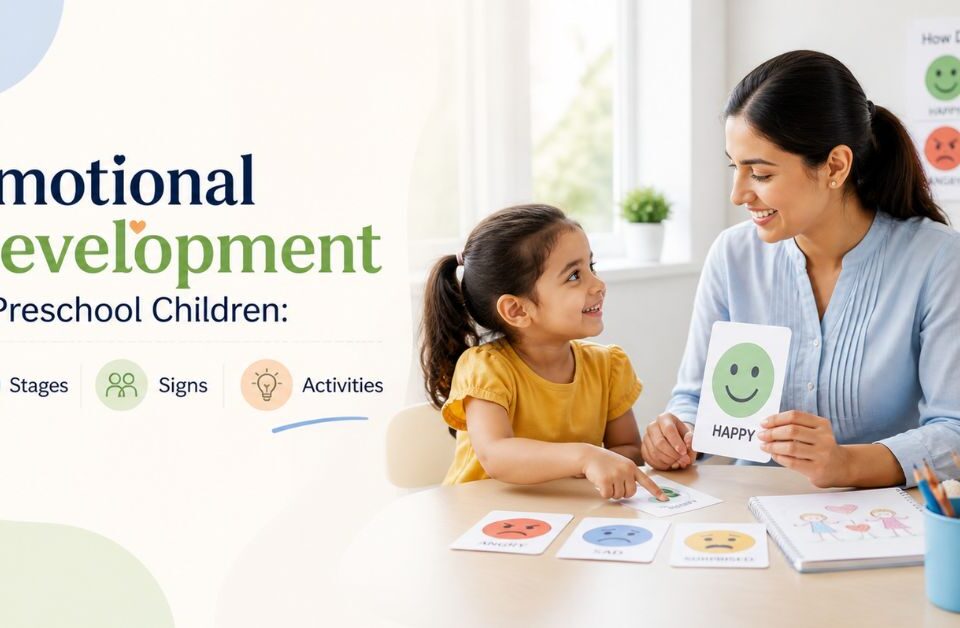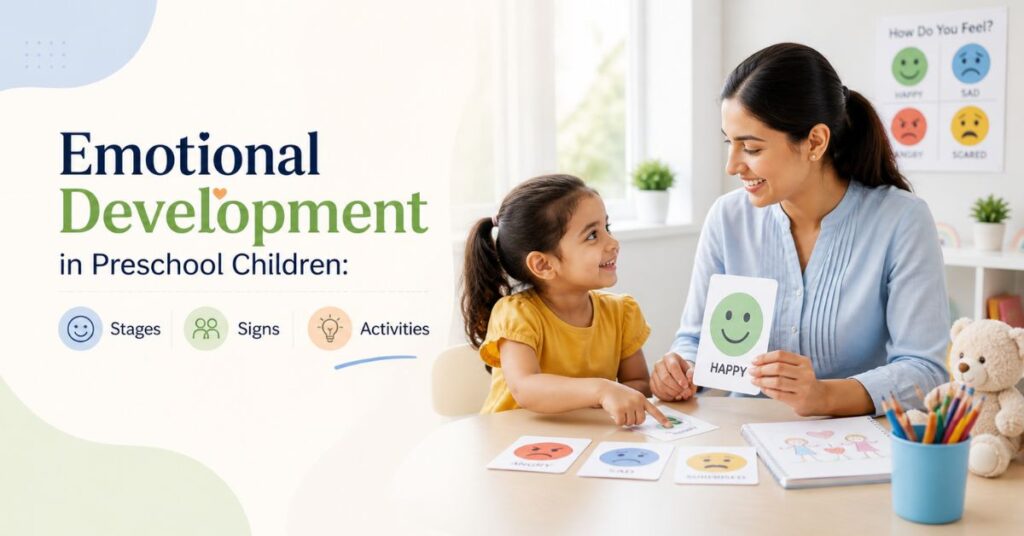

Emotional Development in Preschool Children: Stages & Activities
March 31, 2026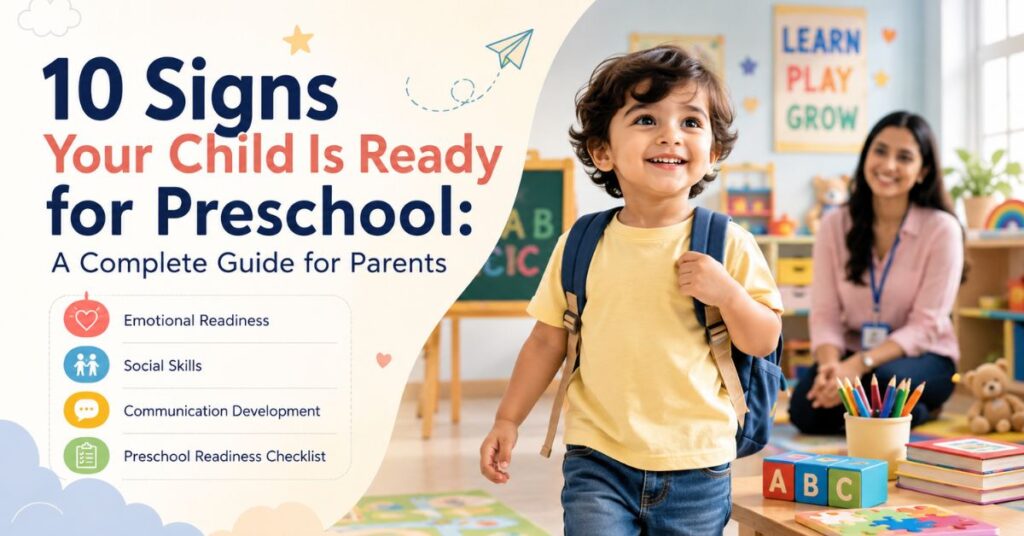
10 Signs Your Child Is Ready for Preschool: A Complete Guide for Parents
How to Know When Your Child Is Ready for Preschool
You never know when your child goes from taking tiny footsteps around the house to setting foot in a preschool classroom. Their first day is not just a milestone but quite emotional for you, the parents, as well. Hence, in case you’re wondering if your little one is ready for preschool, this blog is for you.
There is no right age for a child to be enrolled in preschool. Instead, the right time may be different for each child. Discover 10 signs your child is ready for preschool in this blog, and keep a look out for the same in your toddler!
10 Important Signs Your Child Is Ready for Preschool
Every child develops differently. Hence, their preschool readiness checklist will be different. So, how to know if your child is ready for preschool? The following preschool readiness indicators can prove to be effective:
1. Your Child Can Comfortably Spend Time Away From Parents
If your child can stay away from you for short periods without showing much distress, it’s one of the biggest signs that your child is ready for preschool.
Of course, it’s quite normal for them to feel overwhelmed at first, but they should eventually feel comfortable. You can check for this sign by leaving your toddler with grandparents or relatives. This also helps in preparing your toddler for preschool.
2. Your Child Enjoys Social Interaction With Other Children
A preschool often arranges group activities, play sessions, and interaction with other kids. Hence, a child who enjoys meeting other children, sharing toys occasionally, or participating in playgroups may already be developing essential social skills for preschool.
They don’t need to be too extroverted or outgoing. Even a slight curiosity for other children or the willingness to observe group activities can be considered as social skills for preschool.
3. Your Child Can Understand and Follow Simple Instructions
In a preschool, the teachers will often give out simple instructions such as “sit down,” “keep your toys back,” or “wash your hands.” Can your child understand and follow basic directions at home?
If they respond to you, it’s one of the most important preschool readiness skills. It implies that your little one will be able to adapt and respond comfortably to classroom routines, rules and regulations, and structured activities.
Also Read: 10 Good Habits for Children to Learn Early for a Happy, Healthy Life
4. Your Child Can Express Basic Needs and Communicate Clearly
It’s unfair for children to speak in full sentences before enrolling in preschool. However, school readiness skills for preschoolers include being able to communicate basic needs like asking for water, expressing discomfort, or responding to simple questions.
Communication skills will also help them build friendships and develop confidence in social settings. Hence, these are valuable preschool readiness indicators that parents should observe carefully.
5. Your Child Shows Curiosity and Interest in Learning New Things
Curiosity ranks high on the preschool readiness checklist. Does your child ask questions, explore new objects, enjoy stories, or show excitement about discovering new things? These are primary signs of preschool readiness.
Moreover, a preschool environment will help them expand their curiosity with play-based learning, storytelling, music, art, and hands-on activities. A naturally curious child often adapts well to these experiences.
6. Your Child Can Manage Basic Self-Care Activities Independently
An independent child will adapt well in a preschool. Hence, you have to find out whether your child can perform basic self-care activities.
This may include washing hands with assistance, attempting to eat independently, carrying their bag, or trying to put away toys after playtime is over. These small habits can make them feel more confident and help them adjust sooner in a classroom environment.
Also Read: How to Build Good Study Habits in Children from an Early Age
7. Your Child Can Focus on Activities for Short Periods
Most activities in a preschool classroom include listening to stories, drawing, singing rhymes, and participating in circle time. These require your child to sit still, focus, and participate. You must observe their attention span at home.
One of the best ways of preparing your toddler for preschool is by assigning them small tasks at home. It influences their growing concentration and readiness for structured learning experiences in a preschool.
8. Your Child Is Comfortable Following Daily Routines
It’s important to have a fixed schedule even at home because children who respond well to regular meal times, bedtime schedules, and daily routines often transition more smoothly into preschool environments.
The usual preschool schedule includes activity time, snack breaks, outdoor play, and rest periods. If your child is familiar with following a routine at home, it will give them a sense of comfort and security in the new preschool surroundings.
9. Your Child Can Express Emotions in a Healthy Way
Emotional readiness for preschool is also a very important sign to look out for in your kid. This does not mean that your child never cries or gets upset. It simply means that they’re gradually learning to feel and express their emotions in a healthy manner.
Can your child communicate frustration, calm down after minor disappointments, or seek comfort appropriately? These are all signs of emotional growth that indicate preschool readiness.
Also Read: Daily Routine for Kids: Healthy Schedule for Preschool and School Children
10. Your Child Shows Excitement About Going to School
Sometimes, all you need to do is observe your child’s behaviour. It can give a clear indication whether they’re ready for preschool.
If they show excitement about books, classrooms, toys, school bags, or meeting other children, they’re definitely ready to step into their first educational environment. These children often adapt more positively and have an enriching learning experience.
Final Thoughts: How to Choose the Right Preschool for Your Child
Once you identify the signs that your child is ready for preschool, you need to select the right learning environment for them.
The best preschools will focus on emotional well-being, play-based learning, creativity, safety, communication, and holistic development rather than academic pressure alone. The school should also offer experienced educators, child-friendly infrastructure, and interactive learning methods.
Looking for a preschool that supports your child’s emotional, social, and early learning development?
Give your child the best start to learning with JBM Smart Start, the top preschool in Greater Noida. Your child will enjoy a safe, joyful, and development-focused learning experience, which will lay the foundation for a bright future!
Also Read: What Is the Right Age to Start Preschool or Nursery in India?
Frequently Asked Questions About Preschool Readiness
Q1: What is the ideal preschool readiness age?
Ans: Most children start preschool between 2.5 and 4 years of age. However, preschool readiness depends more on developmental and emotional maturity than on a specific age.
Q2: How to know if a child is ready for preschool emotionally?
Ans: A child who can gradually separate from parents, express emotions, and feel comfortable around other adults often shows emotional readiness for preschool.
Q3: Are academic skills necessary before preschool?
Ans: Not really. Preschool readiness skills are not focused on academics alone. That’s because social interaction, communication, curiosity, and independence are more important at this stage.
Q4: How can I help prepare a toddler for preschool?
Ans: Parents can create routines, encourage independent habits, read stories, arrange social interactions, and speak positively about school experiences.
Q5: Why are social skills for preschool important?
Ans: Social skills help children communicate, cooperate, build friendships, and participate confidently in classroom activities and group learning experiences.