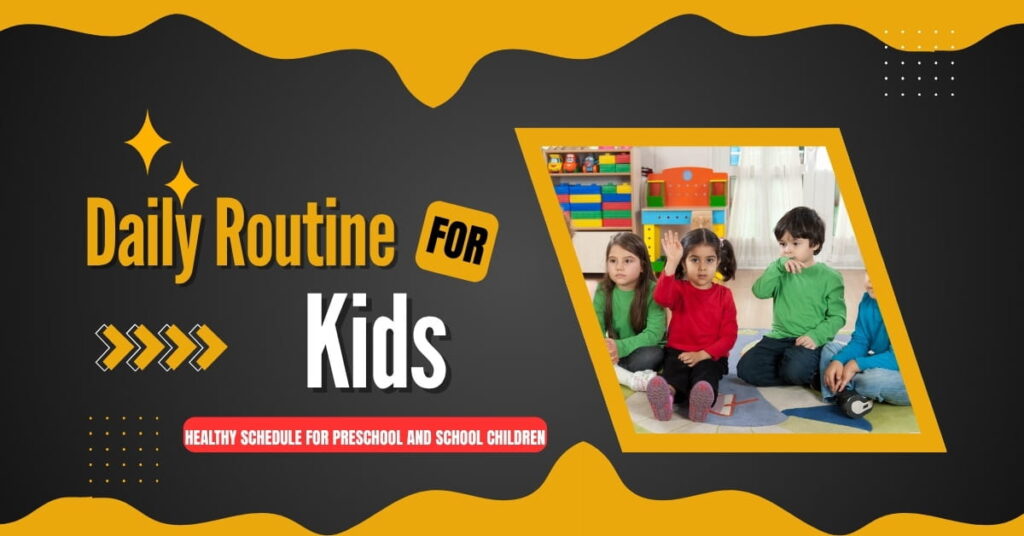

Daily Routine for Kids: Healthy Schedule & Benefits
March 27, 2026
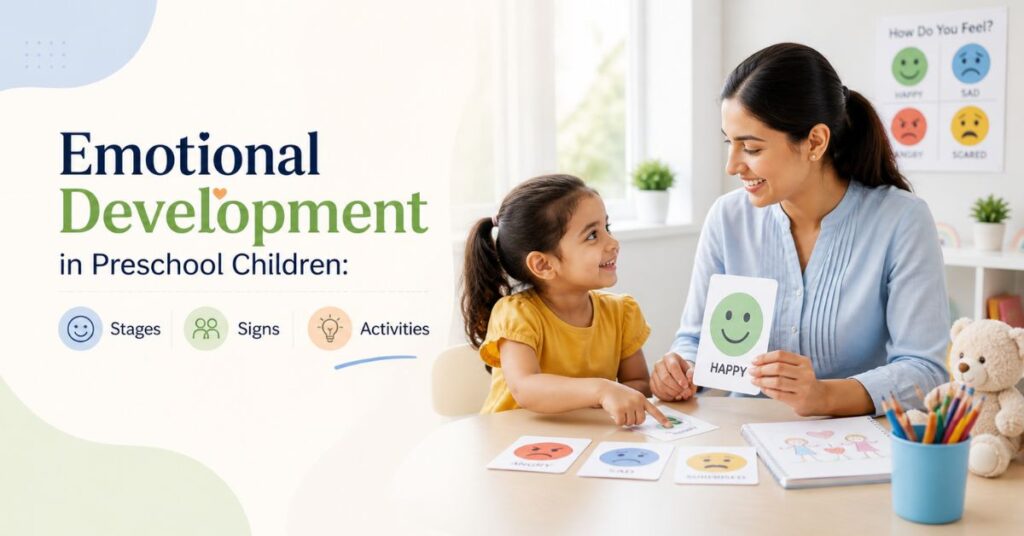
Emotional Development in Preschool Children: Stages & Activities
March 31, 2026
How to Build Good Study Habits in Children from an Early Age
Children are naturally curious. They ask questions, explore their surroundings, and learn constantly through observation and experience. However, transforming that curiosity into good study habits for kids requires the right guidance from an early age.
When children develop strong learning patterns early in life, studying becomes a natural and enjoyable part of their routine instead of a stressful obligation.
Hence, parents and teachers can use this blog to explore practical ways of building study habits for kids, creating effective study routines, and helping children stay focused while enjoying the learning process.
Why Early Learning Habits for Kids are Essential
Parents often assume that actual learning begins only once children enter higher classes. However, research in child development shows that habits formed during early childhood often stay with children throughout their academic journey.
Hence, when children develop good study habits for students from an early stage, they naturally become more organised, attentive, and confident learners. These habits not only help with academic success but also strengthen problem-solving abilities, time management skills, and self-discipline.
Moreover, a study routine for kids also prevents common challenges such as procrastination, lack of focus, and exam anxiety later in life. Instead, they often find it easier to adapt to school expectations and manage their responsibilities independently.
How to Build Study Habits for Kids
Now, if you want to know how to make children focus on studies and build productive study habits for students, you need to proceed with caution and patience.
Developing learning habits in children does not mean forcing long study hours or strict rules. Instead, it involves gradually developing focus, curiosity, discipline, and consistency in a way that feels engaging and manageable for young minds.
The following ways can certainly help:
1: Create a Consistent Study Routine
One of the most effective ways to teach study habits for kids is by introducing a consistent daily routine. Children feel more comfortable and secure when their day follows a predictable structure.
A well-planned study routine for kids does not need to be long or complicated. Even 20-30 minutes of focused learning each day can make a big difference. Parents can support this routine by:
- Choosing a fixed time for study every day
- Ensuring the child is well-rested and relaxed before study time
- Balancing study sessions with recreational activities
- Keeping sessions short to match the child’s attention span
2: Design a Simple Study Schedule
A study schedule for school students helps them understand how to manage their time effectively. Instead of studying randomly, it allows children to allocate time for different subjects, homework, and revision. Parents can create a flexible schedule that includes:
- Homework time
- Reading time
- Revision sessions
- Creative learning activities
The goal is to ensure the schedule remains realistic and age-appropriate. That’s because overloading children with excessive study hours can reduce motivation and curiosity.
On the other hand, a well-balanced routine encourages productive study habits for students while still leaving time for playing and resting.
3: Create a Distraction-Free Study Environment
The environment in which children study plays the most important role in building focus. A quiet, comfortable, and organised study space helps children concentrate better.
If parents often wonder how to make children focus on studies, the answer lies in reducing distractions. Small changes can significantly improve concentration, such as:
- Keeping the study table clean and organised
- Reducing screen distractions like television or mobile phones
- Ensuring good lighting and comfortable seating
- Providing all study materials within reach
A dedicated study space trains the brain to associate that environment with learning.
4: Encourage Curiosity & Active Learning
Children learn best when they feel curious and engaged. That’s why, instead of simply memorising information, they should be encouraged to ask questions, explore ideas, and participate in interactive learning!
This makes it easier for developing learning habits in children and making learning more meaningful and enjoyable. Parents can encourage curiosity by:
- Asking open-ended questions
- Allowing children to explain what they learned
- Using educational games and storytelling
- Encouraging reading beyond school textbooks
When learning feels exciting, children naturally develop productive study habits for students that go beyond completing homework.
5: Teach Time Management Early
Time management is an essential life skill that begins with simple habits during childhood. When children try to plan their study time, it helps them understand responsibility and independence. Parents can guide children in managing their time by:
- Breaking large tasks into smaller steps
- Setting short study goals
- Encouraging children to complete tasks before playtime
- Celebrating small achievements
These practices gradually build good study habits for students and urge children to manage their academic responsibilities confidently as they grow older.
6: Support & Guide Without Pressure
Many parents worry about academic performance and unknowingly place too much pressure on their little ones. While guidance is essential, excessive expectations can make children anxious and resistant to studying.
That’s why it’s helpful to understand how parents can help kids study by providing support rather than control. Parents can encourage learning by:
- Being patient and approachable
- Helping with difficult topics without completing tasks for the child
- Praising effort rather than only results
- Maintaining open communication about school experiences
A supportive learning environment helps children build confidence while developing strong study habits for kids.
7: Build Discipline Through Consistency
Discipline does not mean strict rules or punishments. For children, discipline can grow with consistent routines and positive reinforcement. Parents can encourage study discipline for children by:
- Setting clear expectations for study time
- Encouraging children to finish tasks before moving on to other activities
- Maintaining consistent routines every day
- Rewarding consistency and effort
Over time, these practices help children develop independence and responsibility, which are essential for long-term academic success.
Long-Term Benefits of Good Study Habits for Students
Some long-term benefits of early learning habits for kids include:
- Improved concentration and focus
- Better academic performance
- Strong time management skills
- Greater self-confidence
- Reduced exam stress in later years
Conclusion
Thus, when children are guided with patience and encouragement, they gradually develop strong study habits for kids. These help them excel academically while maintaining a healthy love for learning.
It’s not about enforcing strict study hours or overwhelming children with academic pressure. Instead, it involves encouraging curiosity, creating consistent routines, and providing supportive guidance that helps children enjoy the learning process.
These study habits for kids will end up creating the foundation for lifelong success.
If you are looking for the best preschool in Greater Noida that focuses on holistic development, structured learning, and strong foundational habits, JBM Smart Start provides the perfect environment for young learners to grow, explore, and build lifelong learning skills. Enrol your child today and give them the strong educational foundation they deserve!
Frequently Asked Questions
1: What are the most important study habits for kids?
Some of the most important study habits include maintaining a regular study routine, creating a distraction-free environment, managing time effectively, and encouraging curiosity in learning. These habits help children stay focused and develop consistent learning patterns.
2: How can parents create a good study routine for kids?
Parents can build a routine by setting a fixed study time each day, balancing study sessions with play, and ensuring children have a quiet and comfortable study environment.
3: What are the best ways for parents to help kids study?
Parents can help by guiding children through difficult concepts, encouraging questions, praising their efforts, and maintaining open communication about their learning experiences.
4: Why are early learning habits for kids important?
Early learning habits help children develop discipline, focus, and independence. These habits shape their academic approach and make studying easier and more enjoyable as they grow older.
5: How can parents teach study discipline to children?
Study discipline can be taught with the help of consistent routines, clear expectations, goal setting, and positive reinforcement. Parents should keep on encouraging children to complete tasks before moving on to other activities to build responsibility and accountability.